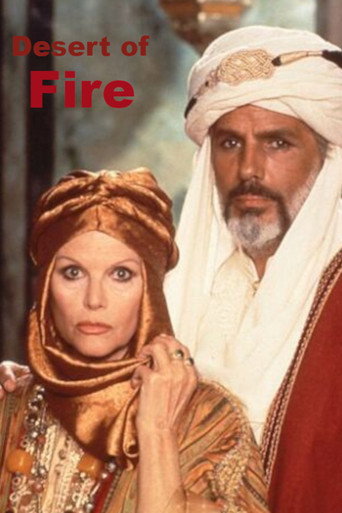
Desert of Fire (8.4)
Film · 1997
dans le rôle de Marcel Duvivier
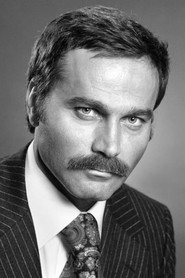
Né le 23 novembre 1941 à San Prospero Parmense, Emilia-Romagna, Italy.
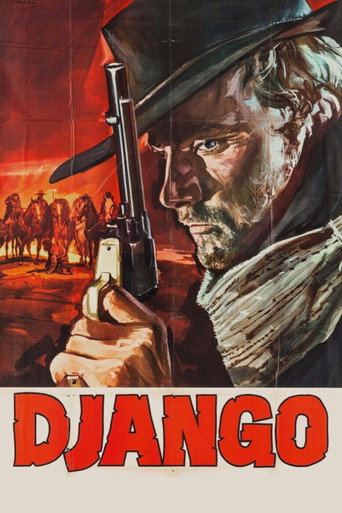
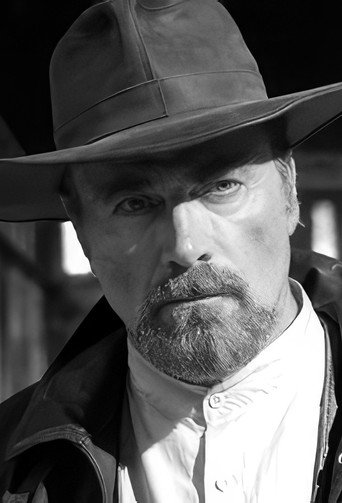
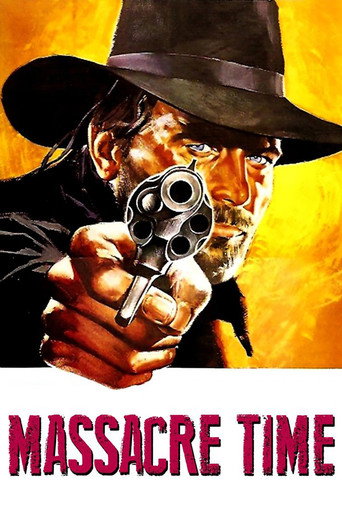
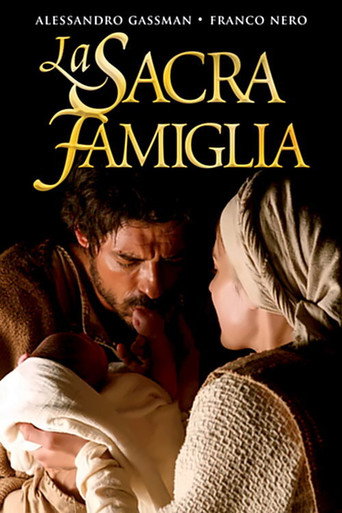
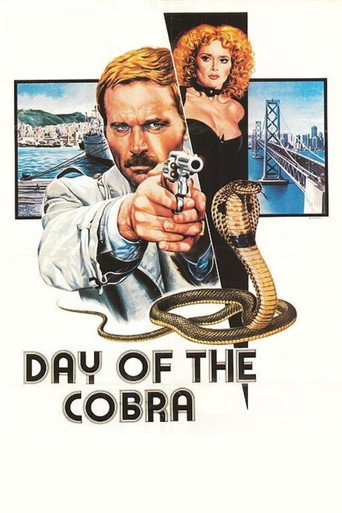
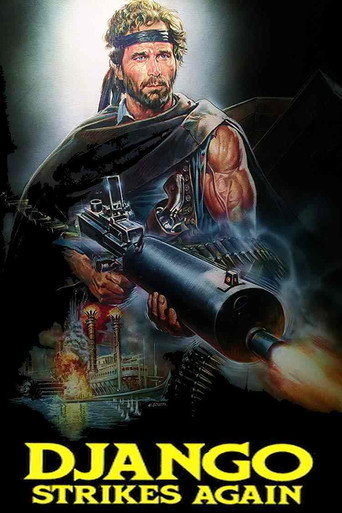
Francesco Clemente Giuseppe Sparanero (born November 23, 1941), known professionally as Franco Nero, is an Italian actor, producer, and director. His breakthrough role was as the title character in the Spaghetti Western film Django (1966), which made him a pop culture icon and launched an international career that includes over 200 leading and supporting roles in a wide variety of films and television programmes.
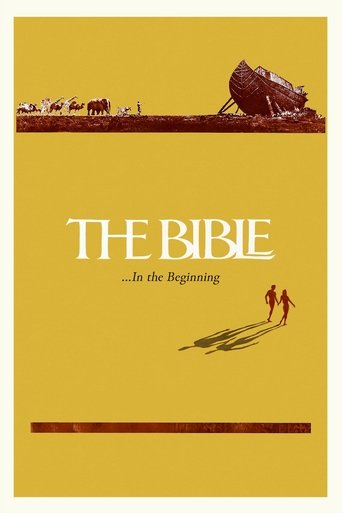
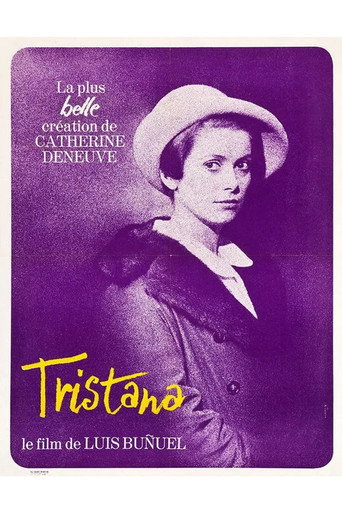
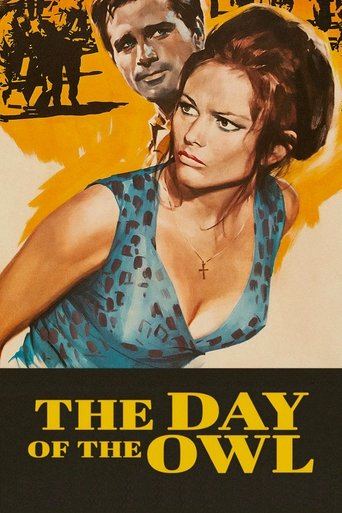
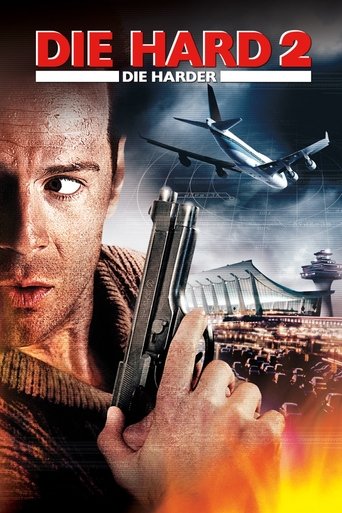
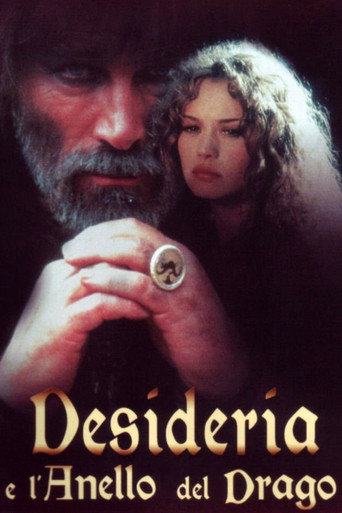
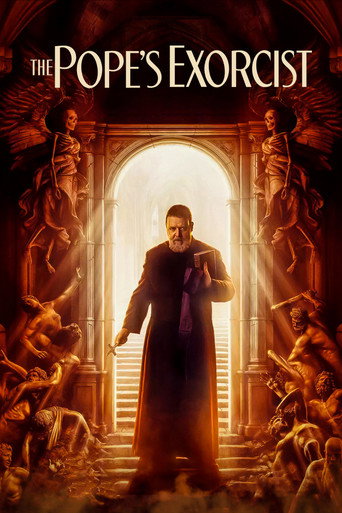
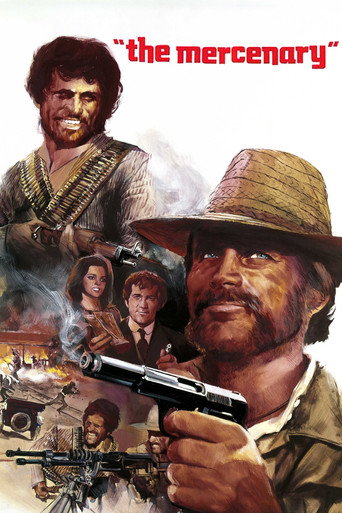
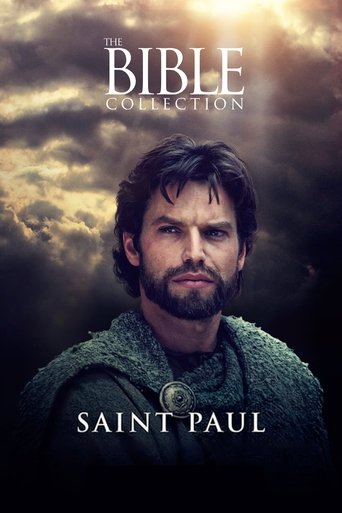
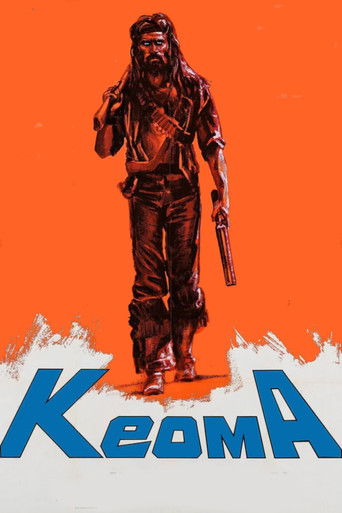
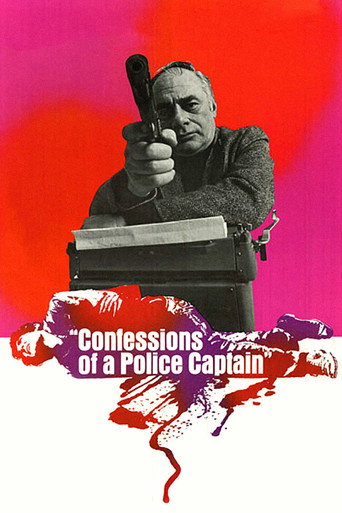
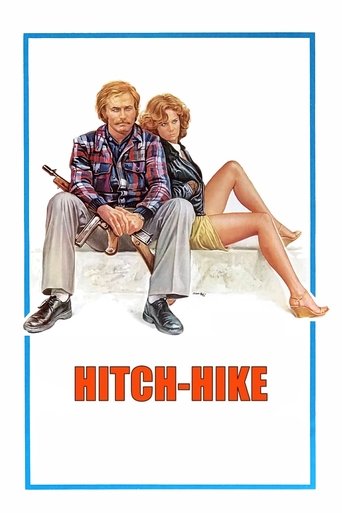
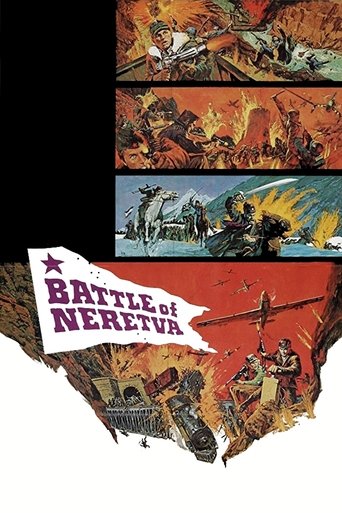
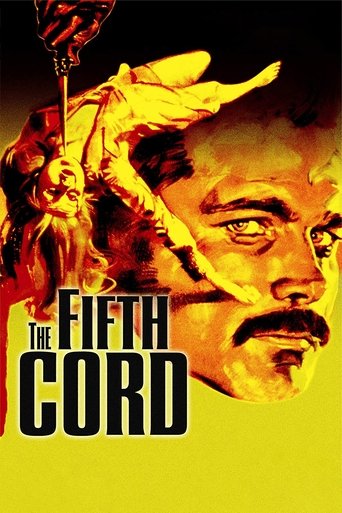
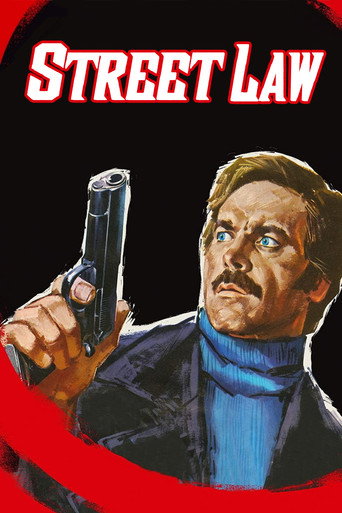
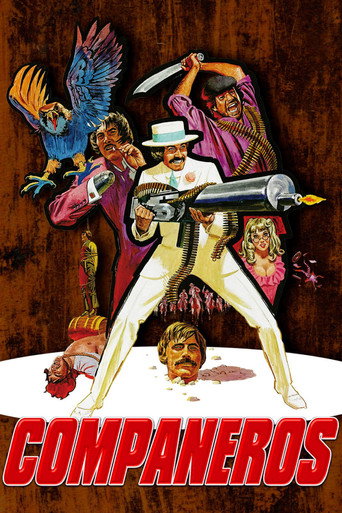
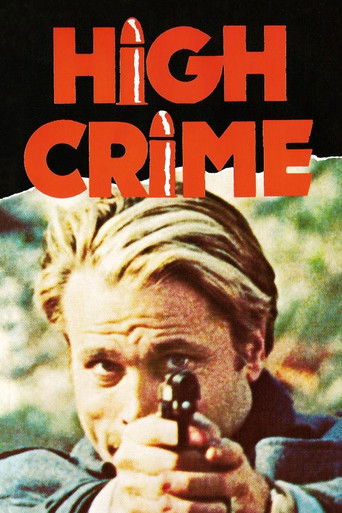
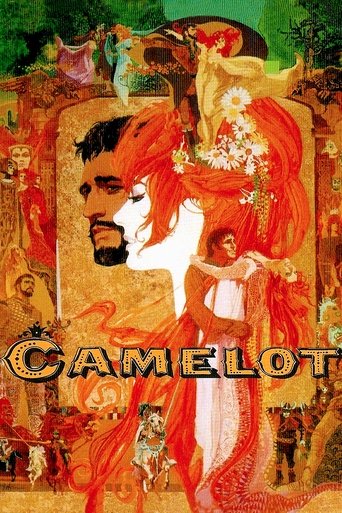
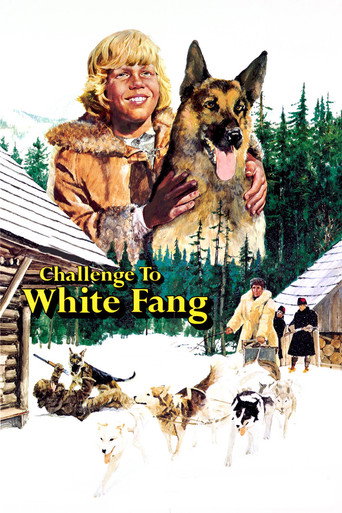
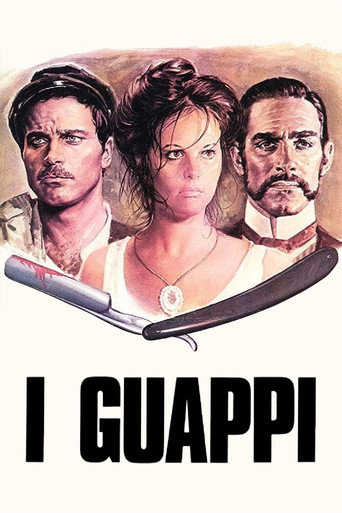
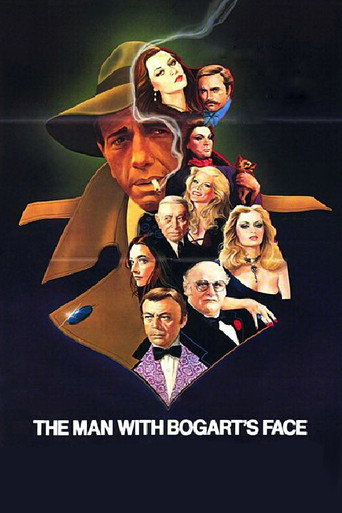
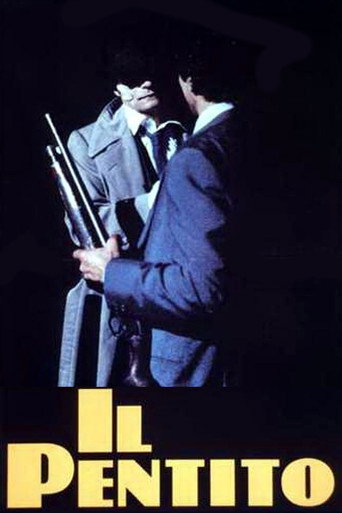
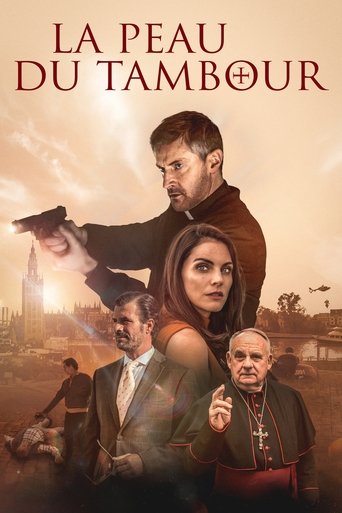
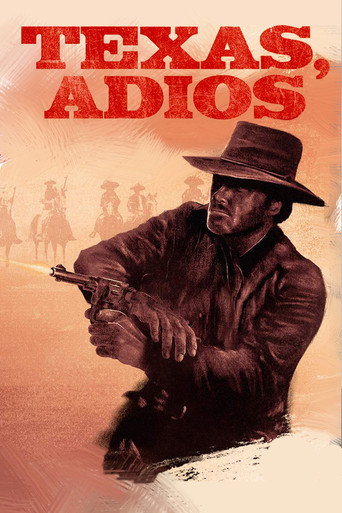
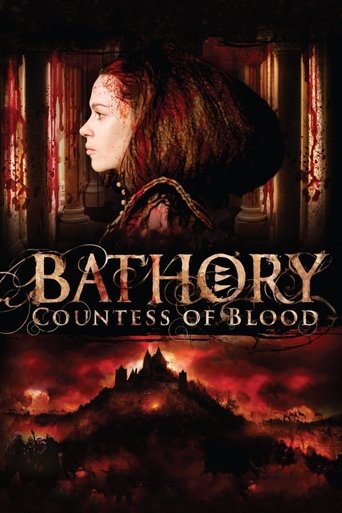
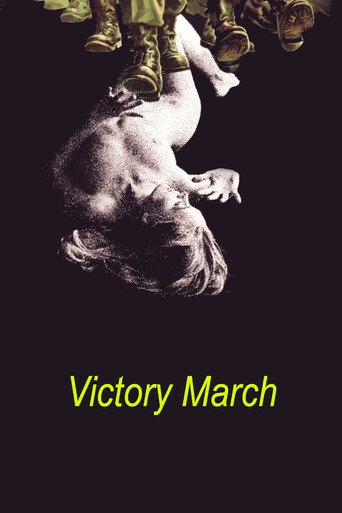
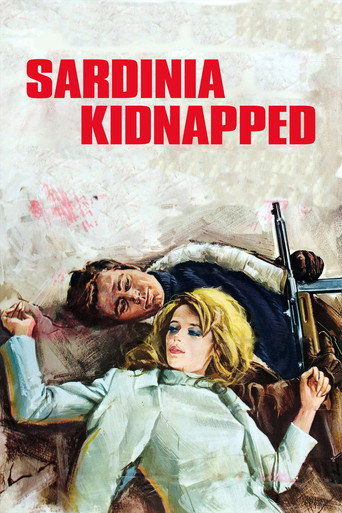
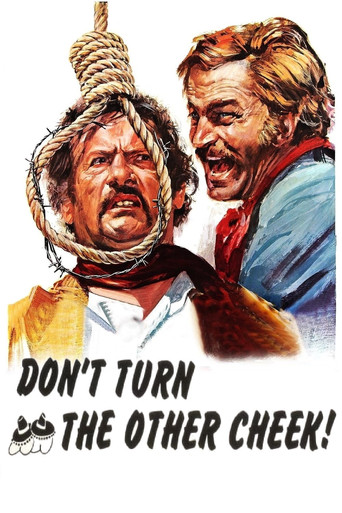
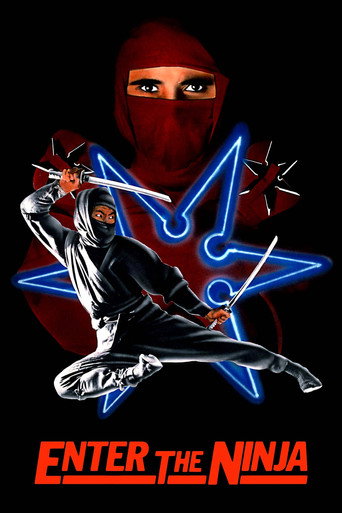
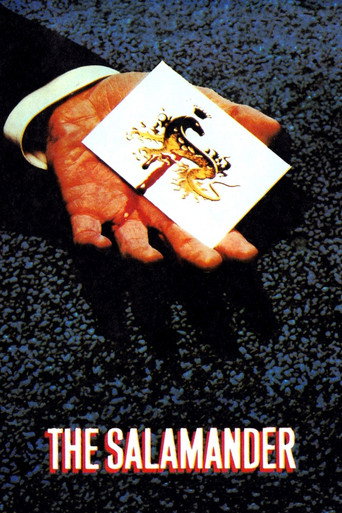
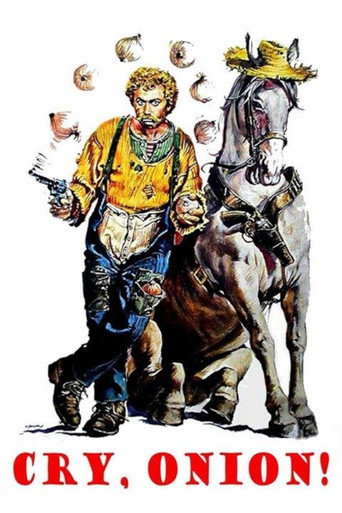
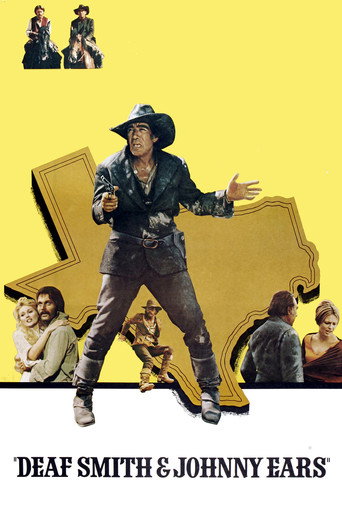
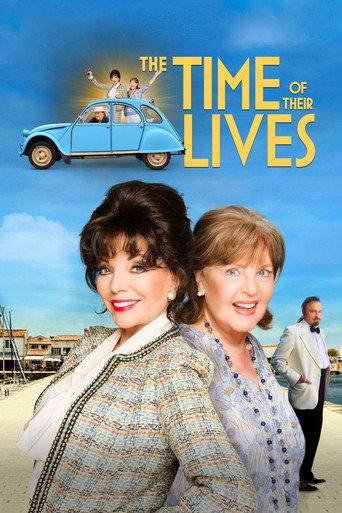
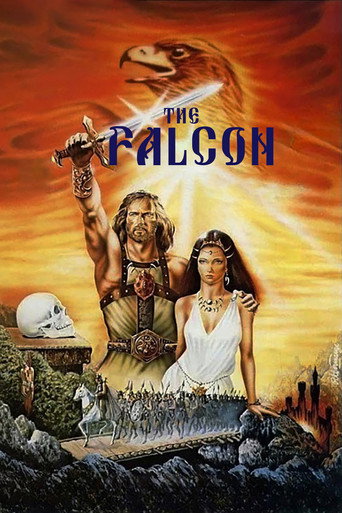
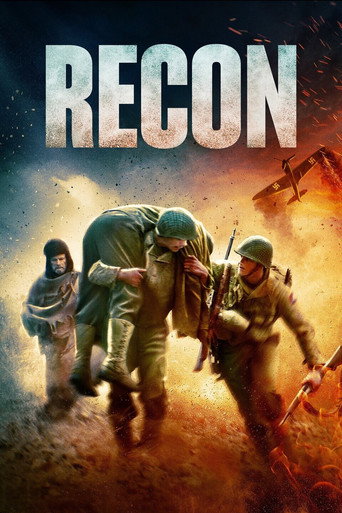
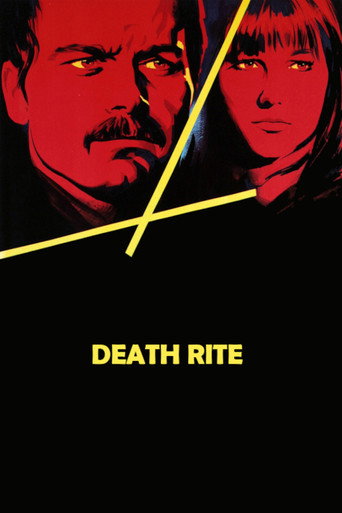
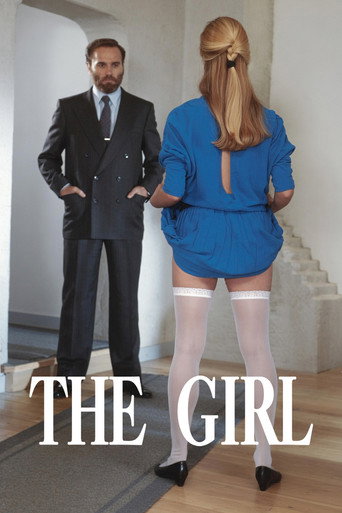
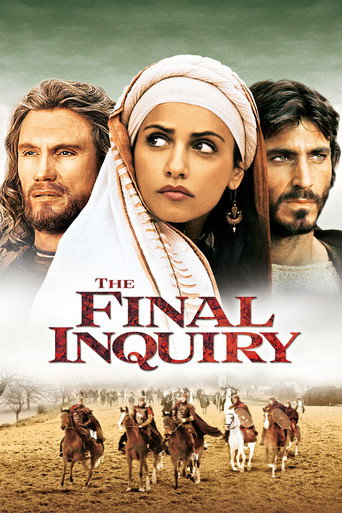
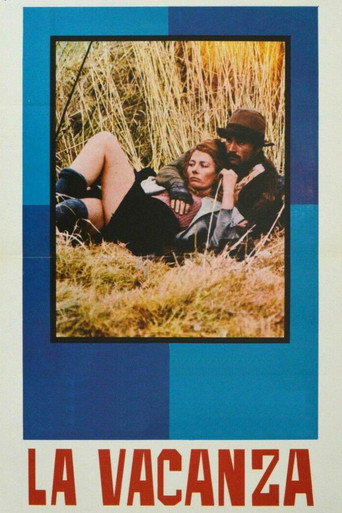
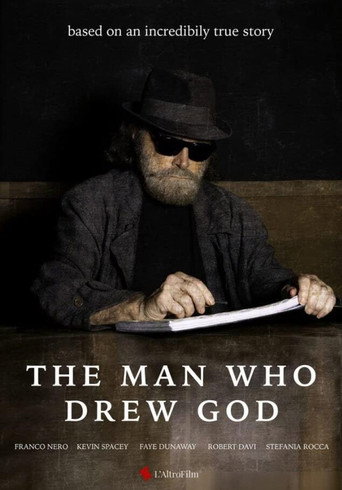
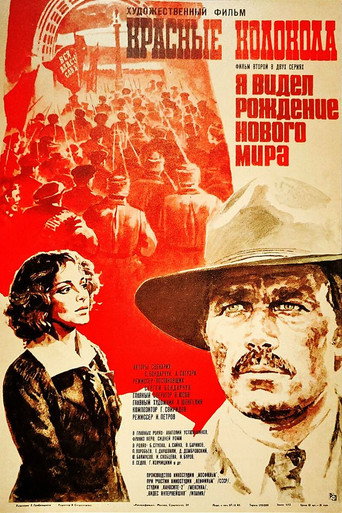
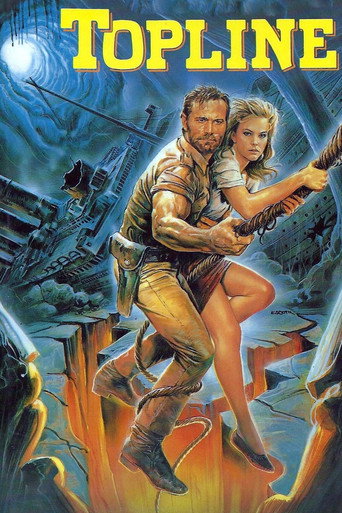
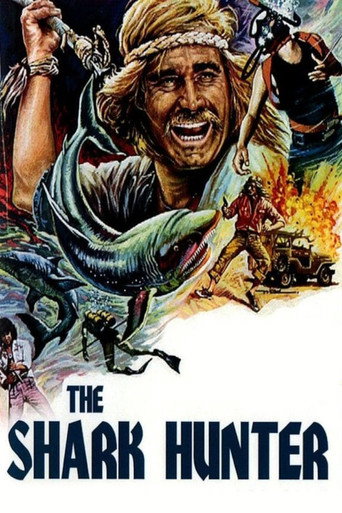
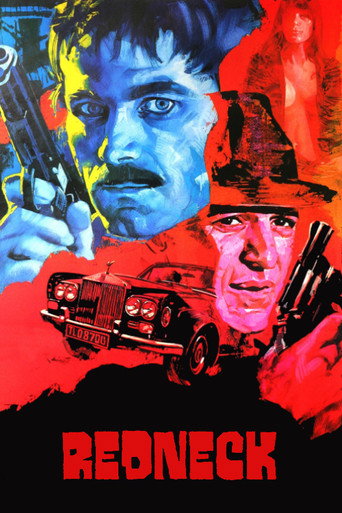
During the 1960s and 1970s, Nero was actively involved in many popular Italian "genre trends", including poliziotteschi, gialli, and Spaghetti Westerns. His best-known films include The Bible: In the Beginning... (1966), Camelot (1967), The Day of the Owl (1968), The Mercenary (1968), Battle of Neretva (1969), Tristana (1970), Compañeros (1970), Confessions of a Police Captain (1971), The Fifth Cord (1971), High Crime (1973), Street Law (1974), Keoma (1976), Hitch-Hike (1977), Force 10 from Navarone (1978), Enter the Ninja (1981), Die Hard 2 (1990), Letters to Juliet (2010), Cars 2 (2011), and John Wick: Chapter 2 (2017).
Nero has had a long relationship with Vanessa Redgrave, which began during the filming of Camelot. They were married in 2006, and are the parents of the actor Carlo Gabriel Nero.